Restorative, whole-body medicine
Because the body doesn’t function in separate boxes
For those ready to feel stronger, steadier, and clearer.
Common areas of support:
Endometriosis · POTS · MCAS · Hashimoto’s · Hormonal and Metabolic Health · Fertility and Postpartum Recovery

Conditions we support:
This care may be a fit for women experiencing:
- Endometriosis, pelvic pain, or other pain conditions
- MCAS, inflammation, and bodies that feel increasingly reactive
- POTS, dizziness, and autonomic symptoms
- Hashimoto’s and autoimmune concerns
- Hormone and cycle concerns, including PMOS/PCOS and perimenopause
- Metabolic concerns, including blood sugar imbalance and insulin resistance
- Fertility concerns, recurrent pregnancy loss, and preconception care
- Postpartum recovery and the early motherhood years
- Fatigue, brain fog, headaches, and mood concerns
- Overlapping symptoms involving hypermobility, inflammation, digestion, hormones, and nervous system function
If you’ve been told everything looks “normal” — or that this is “just the way your body is” — and still know something feels off, you’re in the right place.
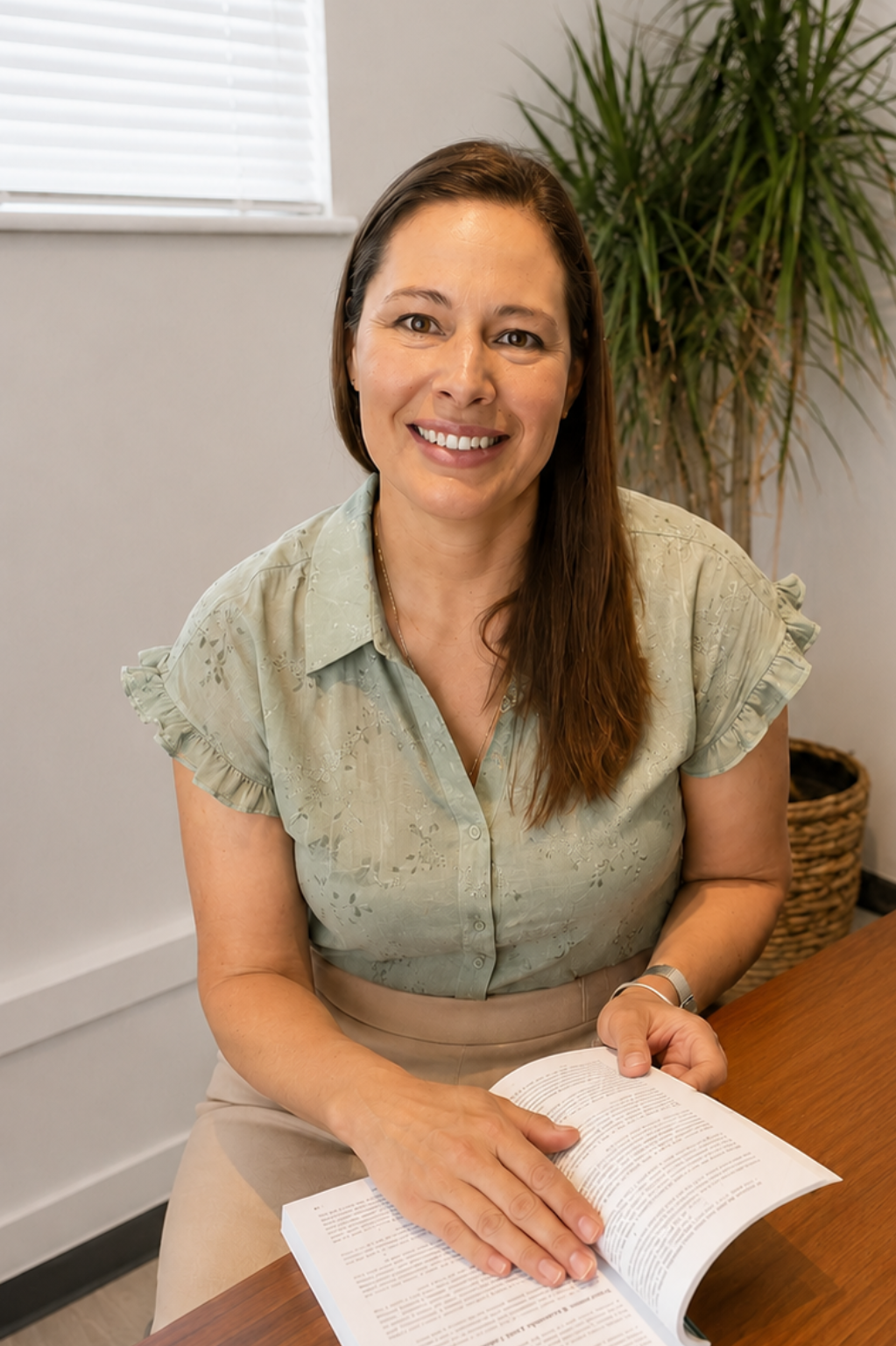
A more connected approach to women’s health.
I’m Dr. Aerin Sembhi — an integrative and internal medicine physician with additional training in physical medicine and rehabilitation and a background in primary care medicine.
I work with women whose symptoms don’t fit neatly into one specialty alone.
Women dealing with things like:
- pelvic or other peristent pain,
- fatigue,
- headaches,
- hormone and cycle changes,
- digestive symptoms,
- reduced exercise tolerance,
- dizziness,
- inflammation,
- brain fog,
- autoimmune patterns,
- pregnancy loss or recurrent miscarriage,
- postpartum recovery,
- perimenopause-related symptoms
- or bodies that feel increasingly reactive and difficult to predict.
Often, these symptoms are treated separately — by gynecologists, endocrinologists, primary care physicians, neurologists, rheumatologists, gastroenterologists, or other specialists — because each symptom may fall into a different area of medicine.
My role is to step back and look at how the full picture connects.
That includes understanding how hormones, inflammation, metabolism, sleep, immune function, nutrient status, stress physiology, and nervous system function all influence one another — and how those patterns shape how women feel day to day.
I often work collaboratively alongside specialists, helping support the overlapping whole-body patterns that can accompany hormone, inflammatory, autonomic, reproductive, and chronic pain conditions.
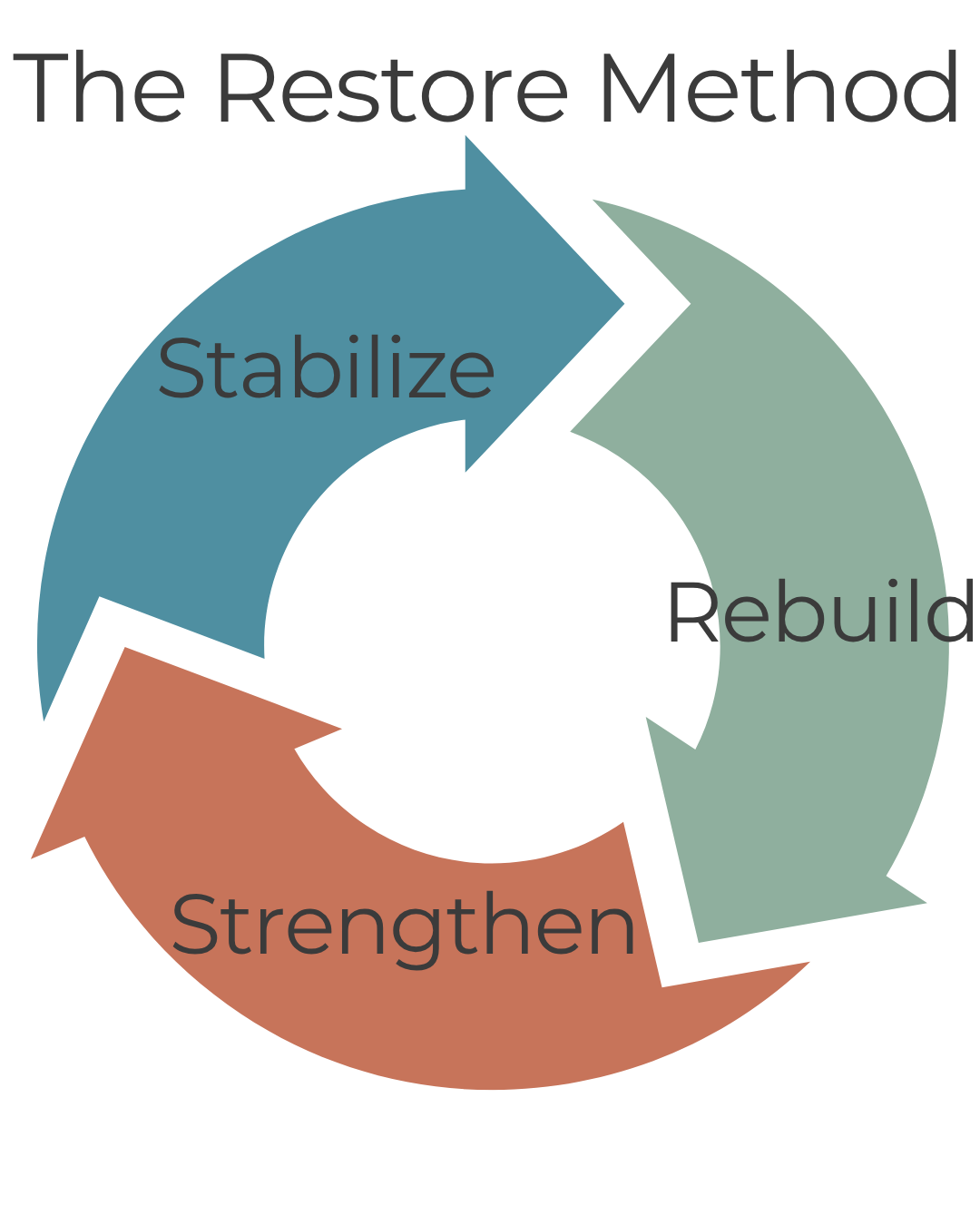
The Restore Method
A three-phase framework I use with with my patients. The order matters more than most people realize.
Stabilize
The body becomes less reactive. Sleep begins to feel more restorative. Crashes become less frequent and less severe. The constant sense of pushing through starts to ease.
This phase focuses on calming the nervous system, reducing inflammation and pain, supporting sleep, stabilizing blood sugar, and addressing the most significant nutrient deficiencies — creating the physiologic capacity for deeper recovery.
Rebuild
Energy becomes more consistent. Mood steadies. Cycles often become more predictable. Many women describe feeling more resilient, clear-headed, and physically capable again.
This phase focuses on rebuilding what has been depleted through personalized lab interpretation, targeted nutrient support, hormone and metabolic support, gut and immune work, and restoring overall recovery capacity.
Strengthen
This is where resilience deepens. Exercise becomes more supportive than depleting. Stress feels less destabilizing. The body becomes more durable, adaptable, and able to sustain the demands of daily life.
This phase is about long-term strength — supporting energy, movement, hormones, nervous system resilience, and the ability to participate more fully in life again.
Most care starts at Strengthen. But when the body is still depleted, inflamed, or overwhelmed, it may not yet respond the way women expect it to. The order is what makes the difference.
What Makes This Care Different:
-
Physician-led care from a double board-certified internal and integrative medicine physician
- Longer visits and deeper history-taking
- A whole-body approach instead of symptom-by-symptom treatment
- Functional and conventional labs used thoughtfully together
- Nervous-system-aware and trauma-informed care
- Collaboration with your existing specialists and care team
- Personalized, sustainable treatment plans designed around your physiology and life
One patient described a visit as feeling like she had finally found someone looking at the full picture.
How we work together:
Care is available in person at the Ballard office in Seattle, Washington, and via telemedicine across Washington, Arizona, Colorado, Florida, Illinois, Ohio, and Pennsylvania.
If you are outside these states, you’re welcome to contact us about future availability.
From Overwhelmed to Empowered - hear what other women are saying about working with Dr. Sembhi.
During and after chemotherapy, I struggled with fatigue, hot flashes, joint pain, sleep problems, and constant worry about recurrence. What stands out most is how carefully she listens. Every symptom was taken seriously, and I never felt rushed or dismissed. Through nutritional guidance, safe supplements, and practical lifestyle changes, my side effects became much more manageable. My energy and sleep gradually improved, and I felt I had an active role in my recovery. She has helped me feel healthy and hopeful again.
If you are looking for a change, to feel better mentally and physically, have more gratitude in your life, this is a program to help you achieve these goals. I lost weight, feel great, and feel more in tune with my body. I have simplified my life, habits and have gained valuable tools to deal with anxiety. I'm quite amazed how this program works as I have tried other programs and they didn't impact me as holistically as this one.
I tried everything and I couldn't see progress until I started seeing her, she not only treats the focused problem you have but everything around, checking every possible cause. She took the time to revisit all my symptoms or the progress I made to keep helping me to improve. I'm so much better know, she's saving my days, now I can go to work feeling my leg normal again, basically enjoy my daily activities without discomfort or pain.

LOCATED in BALLARD:
6204 8th Ave NW, Suite B
Seattle, WA 98107
Office: (206) 946-1564
Fax: (425) 648-5015
Sembhi Integrative, PLLC provides restorative, whole-body care for women navigating hormones, inflammation, nervous system symptoms, fertility, and postpartum recovery.
Disclaimer : The information on this website is for educational purposes only and is not a substitute for medical advice. Always consult your healthcare provider before starting new treatments, supplements, or therapies.